Home Care Options: Tailored Care for Older Adults
Home care services are vital in assisting seniors as they manage daily life. These services provide customized support adapted for individual needs, promoting independence while ensuring safety. Beyond physical tasks, they also provide psychological care, addressing feelings of isolation. Comprehending the various aspects of home care can be complex, yet it is important for families seeking the best options for their loved ones. The next steps in this process are critical.
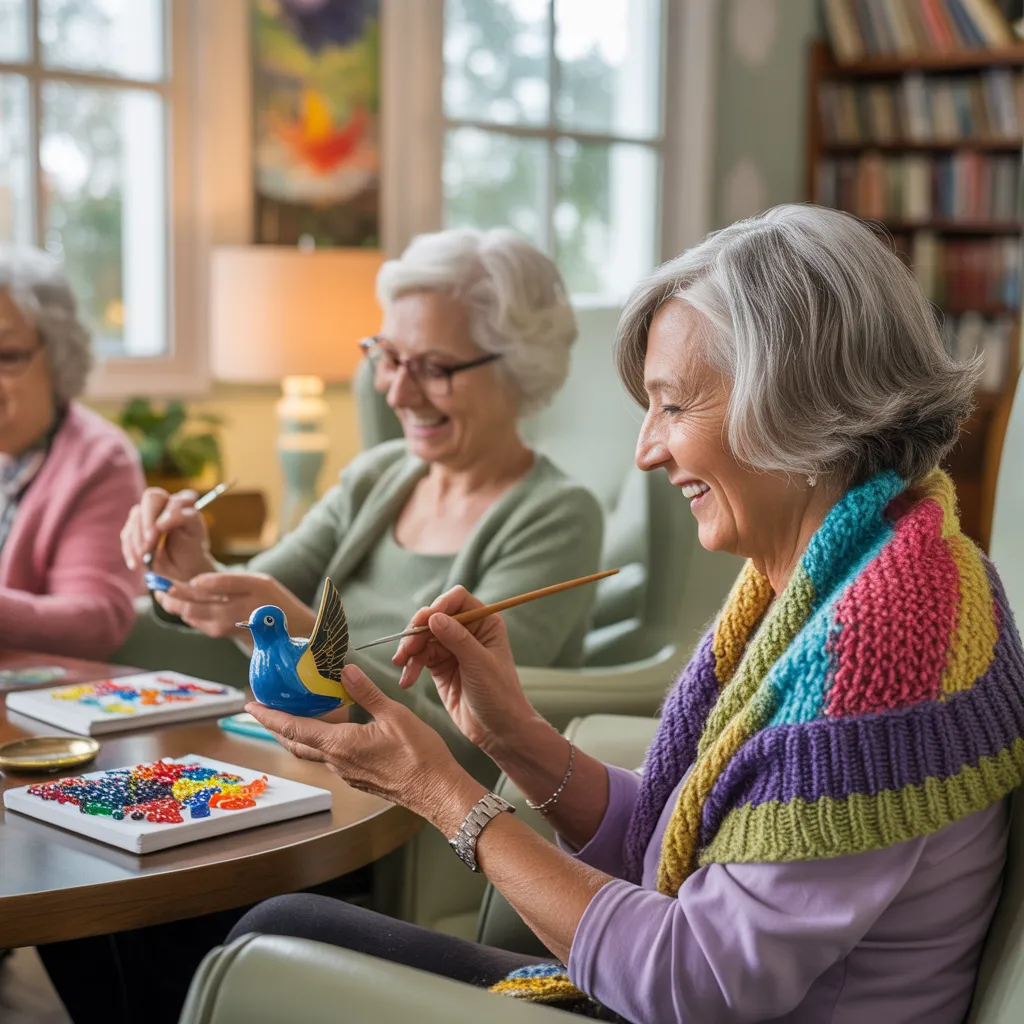
Why Elderly individuals Require Residential care Support
When seniors grow older, their capacity for everyday tasks often declines, requiring home care solutions. Individuals often encounter difficulties including movement limitations, ongoing medical problems, and mental deterioration, making tasks difficult on a routine. Home care services offer essential support, allowing older adults to maintain independence while getting customized care tailored to their unique needs.
These services often provide assistance with food preparation, medication management, and personal hygiene, which can significantly improve the quality of life. Moreover, home care addresses the mental health of elderly individuals by providing companionship and social interaction, decreasing sense of loneliness and solitude.
Additionally, home care alternatives are flexible, permitting families to adjust the degree of care as their loved one's needs shift. This versatility ensures that seniors receive the proper care, creating a safe and nurturing environment for aging in place. Ultimately, home care alternatives are important for promoting health and dignity in the later stages of life.
How to Evaluate Your Family Member's Requirements
How can groups effectively determine the exact requirements of their aging loved ones? Analyzing these requirements begins with open communication. Families should engage in honest conversations, allowing aged persons to express their choices and anxieties. Observing regular habits can also shed light into zones needing aid, such as physical difficulties or difficulty with household tasks.
In addition, families can perform a comprehensive assessment by speaking with healthcare providers who can determine health-related needs. This may involve visiting the family member's doctor or examining recent medical records. It is essential to take into account mental and interpersonal requirements, as companionship and mental well-being are vital for seniors.
Finally, families should appraise the residential environment to identify latent dangers or improvements necessary for safe conditions. By combining these solutions, families can establish a comprehensive understanding of their family member's demands, leading to more informed decisions regarding suitable home care approaches.
Important Forms of Home Care Assistance for Seniors
Understanding the specific needs of elderly family members creates the foundation for choosing suitable home care services. Multiple essential types of home care services cater to these requirements, guaranteeing seniors receive the support necessary for their health and wellness.
Personal care offerings concentrate on support with everyday tasks such as bathing, dressing, and grooming. Companionship programs offer emotional support and community interaction, helping to alleviate feelings of loneliness. Medication management ensures that seniors adhere to their medication schedules, reducing health risks.
Additionally, in-home care services provides trained nursing assistance for those needing medical attention, covering wound care and physical therapy. relief care allows family caregivers brief respite, guaranteeing they can restore their energy while confirming their loved ones maintain care. By learning about these categories of services, family units can make informed decisions that boost the standard of living for their senior family members.
Grasping the Benefits of Tailored Support
Individualized help significantly improves the quality of care for older adults, addressing their distinct needs and preferences. By customizing care to individual requirements, caregivers can foster a feeling of respect and autonomy, which is essential for mental and emotional health. This customized approach often results in improved health outcomes, as seniors are more apt to comply to care plans that resonate with their ways of living.
Furthermore, personalized support helps stronger relationships between caregivers and seniors, developing trust and open communication. This relationship allows caregivers to better understand the emotional and physical challenges experienced by seniors, which leads to more effective interventions. Additionally, it enables families to feel more involved in the care process, easing concerns about their loved ones’ health. Overall, personalized support not only improves the quality of care but also improves the lives of seniors, offering them with the comfort and security they need in their golden years.
Tips for Selecting the Ideal Home Care Provider for Your Family
Selecting the right home care provider can seem daunting, yet it is an essential decision for families looking for the optimal assistance for their senior family members. To begin, families should assess the specific needs of their loved ones, including healthcare needs, help with everyday tasks, and companionship. Researching nearby services is important; households can consult internet ratings, request suggestions from acquaintances, or reach out to community senior organizations for advice.
Once qualified candidates are pinpointed, families should schedule interviews to evaluate the quality of care rendered. Inquire about staff qualifications, training, and involvement in handling similar situations. Additionally, it is necessary to discuss service plans and flexibility in services, ensuring they can adapt to changing needs. Finally, verifying credentials and documentation provides assurance of compliance with state standards. By thoroughly weighing these aspects, families can select the right options that fit with their loved ones' unique needs and preferences.
In-Home Care Financial Understanding
Steering through the financial terrain of home care can be challenging for families, as costs can vary greatly based on services required, location, and the intensity of care required. On average, hourly prices for home care services lie between $20 to $50, depending on the complexity of care. Basic assistance with daily activities often costs less than specialized medical support, which can escalate expenses considerably.
Where you live has a significant impact on affecting costs; urban areas often have higher rates compared to rural regions. Additionally, families may face different rate options, such as hourly, daily, or live-in rates. Insurance coverage can further complicate financial planning, as not all policies reimburse home care expenses. Families are advised to explore available financial aid, including government programs and community resources, which can help reduce some of the financial burden associated with home care services. Understanding these cost dynamics is essential for informed decision-making.
Best Practices for Conversing With Home Care Caregivers
How can households communicate their needs effectively to in-home care providers? Clear communication is essential for making sure that older adults obtain the right care. To begin, households should detail particular requirements and desires, including daily routines, medical conditions, and personal interests. Sharing comprehensive details allows caregivers consult this source to customize their approach productively.
Second, setting up clear communication pathways is crucial. Families should feel secure posing questions and offering feedback regarding the care being given. Periodic meetings can help manage any concerns without delay.
Third, utilizing written communication, such as care logs or journals, can assist in monitoring alterations in health or behavior, which is beneficial for both families and professionals. Finally, developing a collaborative relationship promotes mutual respect and understanding, resulting in improved care outcomes. By applying these methods, families can establish a nurturing environment that improves the home care experience for their family members.
Frequently Asked Questions
In What Ways Can I Engage My Senior in Healthcare Decisions?
Involving a aged person in care decisions can be realized by encouraging open discussions, genuinely hearing to their inclinations, supplying particulars about options, and valuing their selections, eventually cultivating a notion of self-direction and empowerment.
What Are the Symptoms That Home Care Is Required?
Indicators that in-home support is necessary involve trouble managing everyday routines, recurring falls, loneliness and withdrawal, health problems that aren't well-managed, neglect of personal hygiene, and growing confusion or forgetfulness. Relatives can also point out these warning signs.
Home Care Services Customization Over Time: Is It Achievable?
Yes, home care services can be customized over time. As needs change, caregivers can adjust the amount of help, number of visits, and types of services provided, ensuring ideal care for clients throughout their journey.
How Do I Handle Care Provider Changes or Transitions?
Managing caregiver changes demands clear communication. Establishing confidence and continuity through slow introductions and detailed care instructions can smooth transitions, ensuring that both elderly individuals and caregivers feel at ease and supported throughout the transition.
What Are Popular Myths Regarding Residential Care for Seniors?
Popular misconceptions about home care for seniors encompass notions that it is solely for the terminally ill, excessively costly, or that care providers are without proper training. In truth, home care offers diverse options customized to individual requirements.